


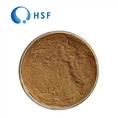
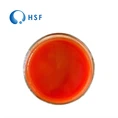

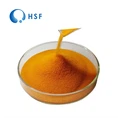
Natural Beta-Carotene Powder is an orange red powder and can be used as natural coloring. It is sensitive to air, heat and light, especially in solution. The chemical structure of Beta-carotene (C40H58) is inversely symmetrical on both sides, and the molecular structure contains two -ionones and 4 isoprenes, and the central cleavage can produce two vitamins A molecules.

Beta-carotene is a member of the carotenoid family. Beta-carotene in the human body is mainly found in the plasma and is considered to be an essential carotene for the human body. Humans and animals cannot synthesize carotenoids by themselves, but they can absorb and utilize these substances from food. The distribution of different types of carotenoids in various tissues and organs of the human body is quite different. Beta-carotene is one of the most important carotenoids in human blood. After being ingested by the human body, beta-carotene may be directly absorbed by the intestinal wall, or converted into vitamin A. The most important source of carotenoids for humans is fruits and vegetables. Vitamin A deficiency occurs when the body lacks beta-carotene. Lack of vitamin A can cause shedding, thickening and keratinization of the corneal epithelium, resulting in corneal ulcers and even night blindness. Lack of vitamin A also impairs the growth and differentiation of epithelial tissue cells, resulting in thickened, dry, scabbed or wrinkled skin. In addition, infants and young children who are deficient in vitamin A are prone to diseases such as pneumonia, measles and diarrhea.
The function of beta-carotene
1. Beta-carotene is a precursor to vitamin A, an essential micronutrient for the human body.
2. Beta-carotene has immune function and can improve the ability of the body's immune system to fight pathogens.
3. Beta-carotene has antioxidant function, which can quench singlet oxygen and scavenge the adverse effects of free radicals in the body.
4. Beta-carotene can prevent cancer and delay the development of cancer.
5. Beta-carotene increases cell-to-cell communication at the suture junction.